
FAQ
Your Nutrition Questions Answered Here
What is sports nutrition?
Sports nutrition is the science of applying nutritional principles to athletic performance and recovery. It encompasses strategic eating patterns, supplement selection, and hydration protocols designed to optimize muscle growth, enhance endurance, reduce fatigue, and accelerate recovery after intense training sessions. A well-designed nutrition plan directly supports your fitness goals.
Why is proper nutrition important for athletes?
Proper nutrition fuels your body's energy systems, repairs muscle tissue damaged during workouts, and supports hormonal balance essential for building strength and muscle mass. Without adequate nutrition, your training efforts yield diminished results, recovery slows dramatically, and injury risk increases. Nutrition is the foundation of any successful fitness journey.
What are the essential macronutrients for muscle building?
The three essential macronutrients are protein, carbohydrates, and fats. Protein provides amino acids for muscle repair and growth, requiring approximately one gram per pound of body weight daily. Carbohydrates fuel intense workouts and replenish glycogen stores. Healthy fats support hormone production and nutrient absorption. Balancing these macros optimizes your training results.
How much protein do I need daily?
Most athletes require between 1.2 to 2.2 grams of protein per kilogram of body weight, depending on training intensity and goals. For muscle building, aim for approximately one gram per pound of your target body weight. Distribute protein evenly across meals every three to four hours to maximize muscle protein synthesis throughout the day.
What is the best post-workout nutrition strategy?
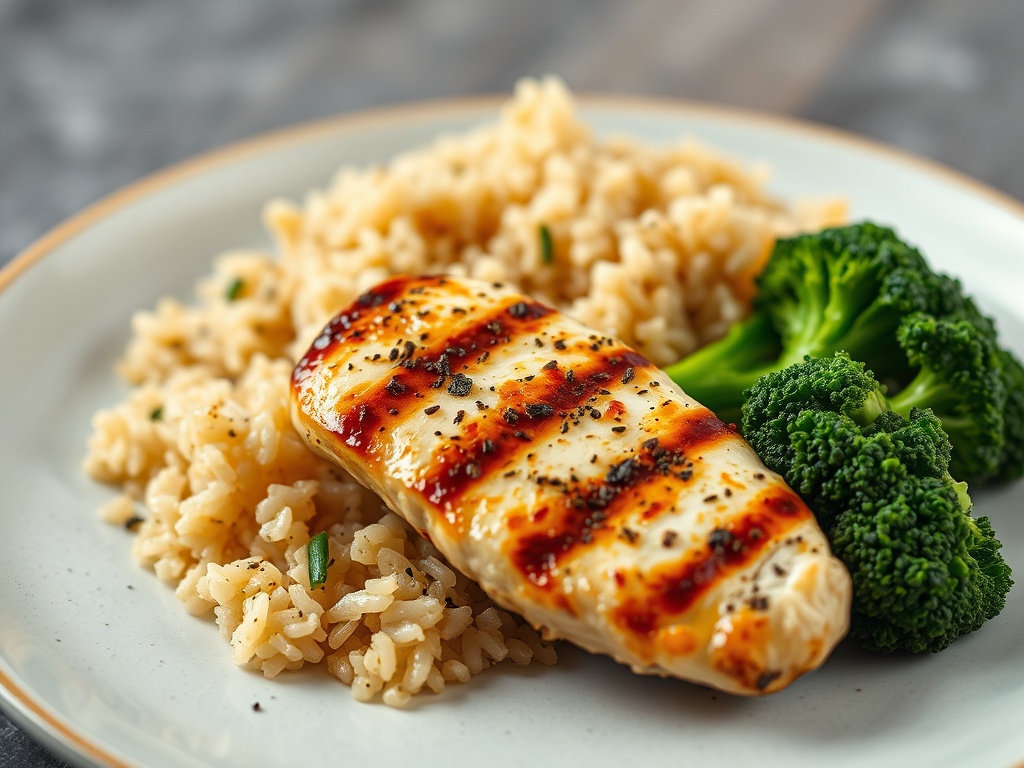
Post-workout nutrition is crucial for recovery and muscle growth. Within thirty to sixty minutes after training, consume a combination of fast-digesting protein and carbohydrates. This might be a protein shake with fruit or a meal containing chicken and rice. This timing replenishes glycogen, initiates muscle repair, and optimizes the anabolic window when your body is primed for nutrient absorption.
Should I take nutritional supplements?
Supplements can support your nutrition plan when combined with a solid diet foundation. Common helpful supplements include whey protein powder, creatine monohydrate, and branched-chain amino acids. However, whole foods should comprise eighty to ninety percent of your nutrition. Supplements fill gaps and provide convenience, but they cannot replace proper eating habits and consistent training.
Customize your nutrition approach based on individual goals and needs.

How should I structure my daily meals?
Structure your daily eating into four to six meals spaced three to four hours apart. Each meal should include lean protein, complex carbohydrates, and healthy fats in appropriate proportions. Breakfast jumpstarts metabolism, pre-workout meals provide energy, post-workout meals support recovery, and evening meals should be lighter. Consistency in meal timing trains your metabolism.
What are quality carbohydrate sources?
Excellent carbohydrate sources include brown rice, oats, sweet potatoes, quinoa, whole wheat bread, and legumes. These complex carbs provide sustained energy, fiber for digestive health, and micronutrients essential for athletic performance. Avoid refined sugars and processed carbs that cause blood sugar spikes and energy crashes. Choose whole grains supporting steady energy.
How does hydration impact athletic performance and muscle growth?
Proper hydration is absolutely critical for athletic performance and muscle building. Dehydration reduces strength, power output, and endurance while impairing recovery and nutrient delivery. Drink water consistently throughout the day, aiming for half your body weight in ounces daily. During intense training, increase intake further. Proper hydration enhances every aspect of your fitness journey.
What healthy fats should athletes consume?
Include healthy fats from sources like avocados, nuts, seeds, olive oil, and fatty fish rich in omega-three fatty acids. These fats support hormone production, reduce inflammation, improve joint health, and enhance nutrient absorption. Aim for twenty to thirty percent of your daily calories from healthy fats. Balance is essential—excessive fat intake provides unnecessary calories.
How do I optimize nutrition for strength training?
Optimize strength training nutrition by prioritizing protein intake, consuming adequate carbs for training energy, and maintaining consistent calories supporting muscle growth. Time your meals to fuel workouts and support recovery. Include anti-inflammatory foods like berries and leafy greens. Stay hydrated and consider strategic supplementation. Track your intake and adjust based on progress.
What about nutrition timing for meal plans?
Meal timing significantly impacts performance and recovery. Eat a substantial meal two to three hours before training, a lighter snack thirty to sixty minutes before, and consume protein and carbs within an hour post-workout. Space meals throughout the day to maintain steady energy and prevent muscle breakdown. Consistent timing synchronizes nutrition with training cycles.


Get your personalized nutrition assessment
Work with our certified sports nutrition specialists